
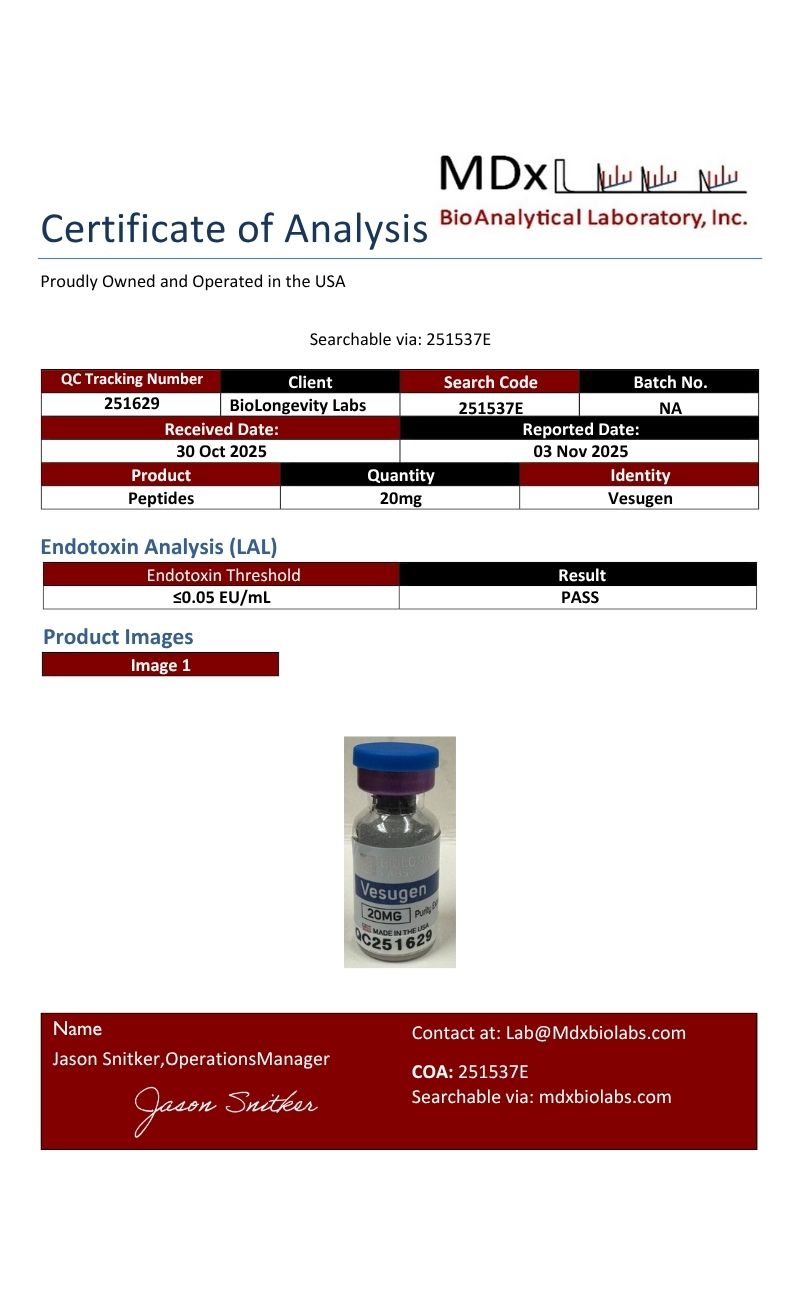
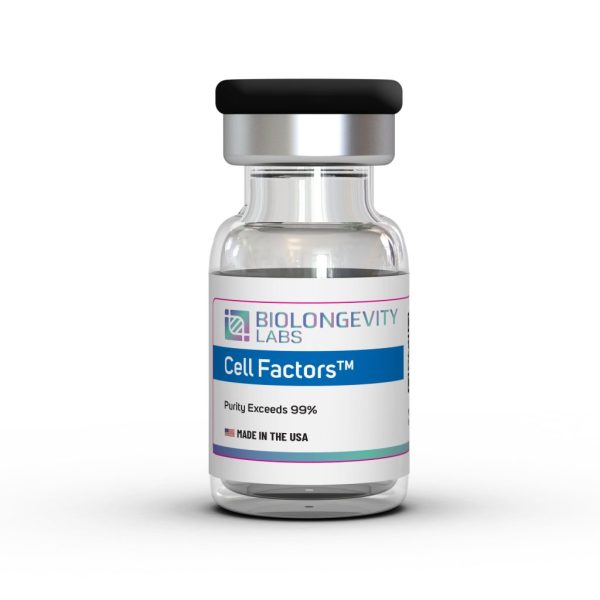
Vesugen Peptide (20mg) For Sale
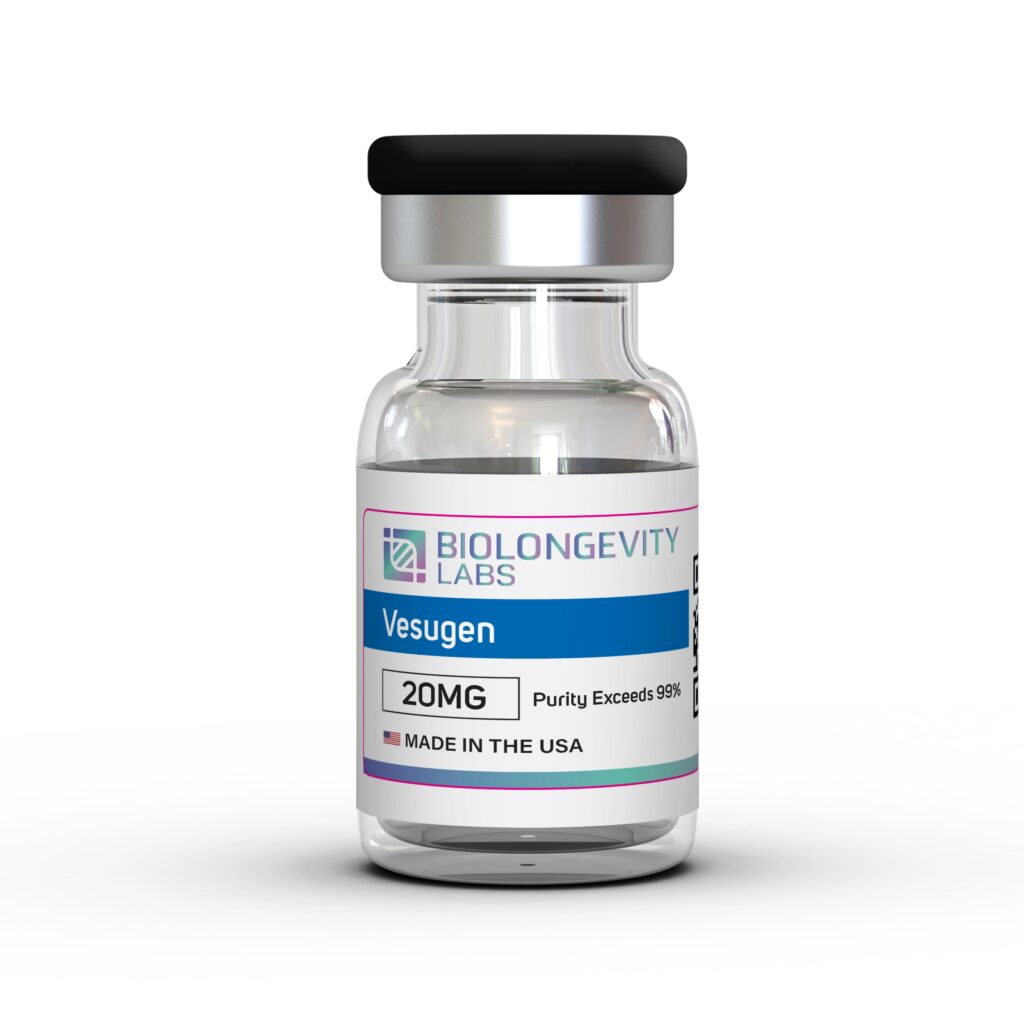
Vesugen peptide (Lys-Glu-Asp) – Research-grade tripeptide bioregulator for vascular system studies and endothelial cell research applications.
Vesugen Peptide Description
Vesugen is a synthetic tripeptide bioregulator composed of three amino acids: lysine, glutamic acid, and aspartic acid (Lys-Glu-Asp). This Khavinson short peptide serves as a research tool for studying vascular function and cardiovascular system mechanisms. Laboratory studies suggest that Vesugen may influence vascular endothelial cells and blood vessel tissue responses.
Research applications include atherosclerosis studies, metabolic pathway analysis, and central nervous system vascular research. As part of the bioregulatory peptides family, this geroprotective compound enables controlled examination of cellular processes in vascular system research. For research use only.
Peptide Bioregulator Information
| Property | Value |
|---|---|
| Peptide Sequence | H-Lys-Glu-Asp-OH |
| Molecular Formula | C₁₅H₂₆N₄O₈ |
| Molecular Weight | 390.39 g/mol |
| CAS Number | N/A |
| PubChem CID | 87571363 |
Vesugen (Lys-Glu-Asp) Research
Vesugen (Lys-Glu-Asp) has been extensively studied across multiple research domains, with laboratory investigations focusing on its bioregulatory mechanisms in vascular and neurological systems. The following research findings demonstrate the peptide’s documented effects in controlled laboratory environments.
Neurological Research
Laboratory studies show KED peptide promotes dendritic arborization in neuronal cell cultures[1]. Research indicates the peptide increases functional mushroom spines by 20-27% in both in vitro and in vivo neurological models[2].
The peptide works through targeted gene expression modulation rather than general cellular energetics. This precision allows researchers to study specific neuroprotective processes without affecting mitochondrial activity or lysosomal function[1].
Vascular System Research
Vesugen functions as a vasoprotective agent during atherosclerosis and restenosis conditions in laboratory models. The peptide maintains endothelial homeostasis and supports vascular wall integrity through bioregulatory pathways[3].
Research shows the compound regulates endothelial cell proliferation and differentiation in vascular tissue studies. These effects operate through specific peptide-protein interactions that preserve endothelial barrier function[3].
Gene Expression Research
KED peptide belongs to bioregulatory peptides that regulate targeted differentiation of pluripotent cells in laboratory settings[4]. The mechanism involves peptide-DNA interactions that influence gene expression patterns without altering genetic code[5].
Studies show the peptide regulates protein synthesis pathways while maintaining genomic stability. This regulation operates through specific binding interactions with chromatin proteins in controlled research environments[4].
Cellular Research
Research indicates KED peptide protects cells from age-related changes while stimulating regenerative processes in various tissue types. The peptide achieves these effects without altering basic mitochondrial function or cellular energy production[1].
The compound operates within tissue-specific bioregulation frameworks studied in gerontological research. This specificity allows researchers to examine effects primarily in vascular and neuronal tissues with minimal impact on other biological systems[5].
This peptide is intended for laboratory research use only.
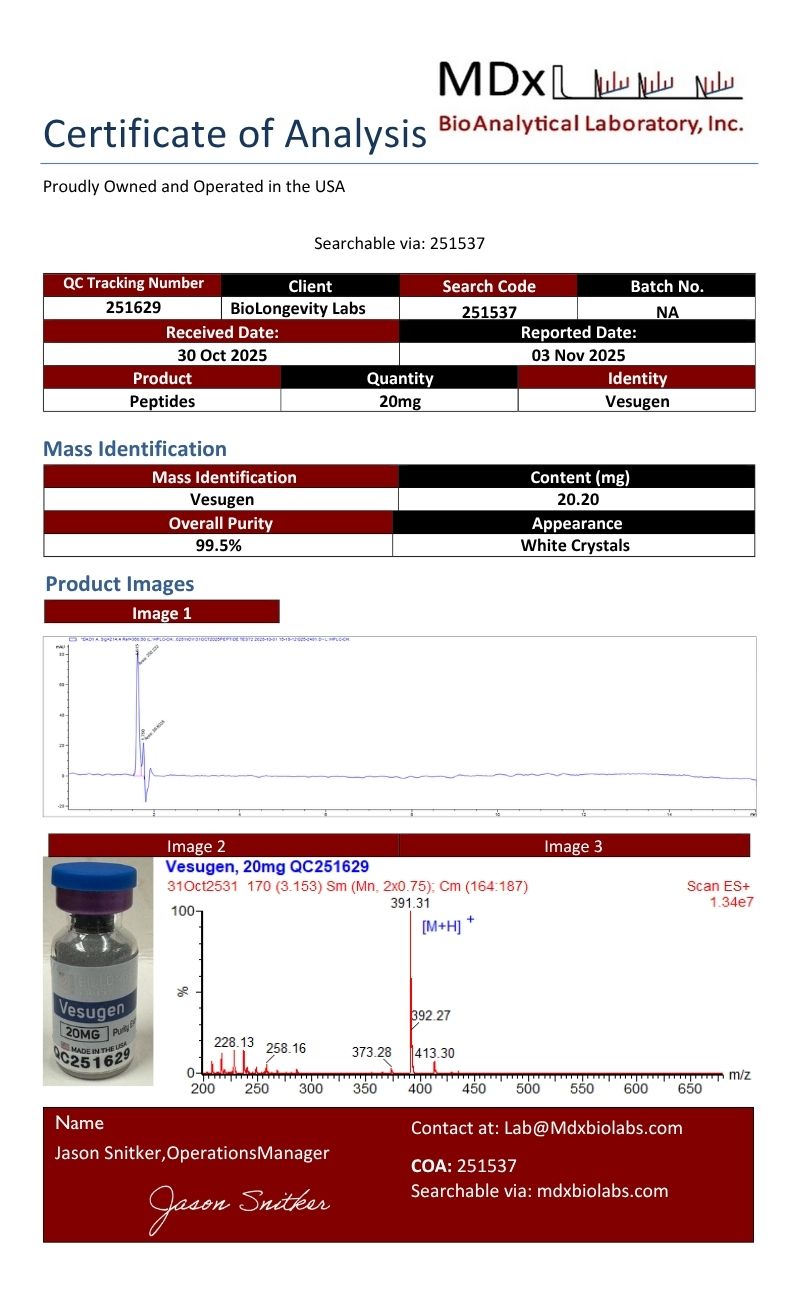
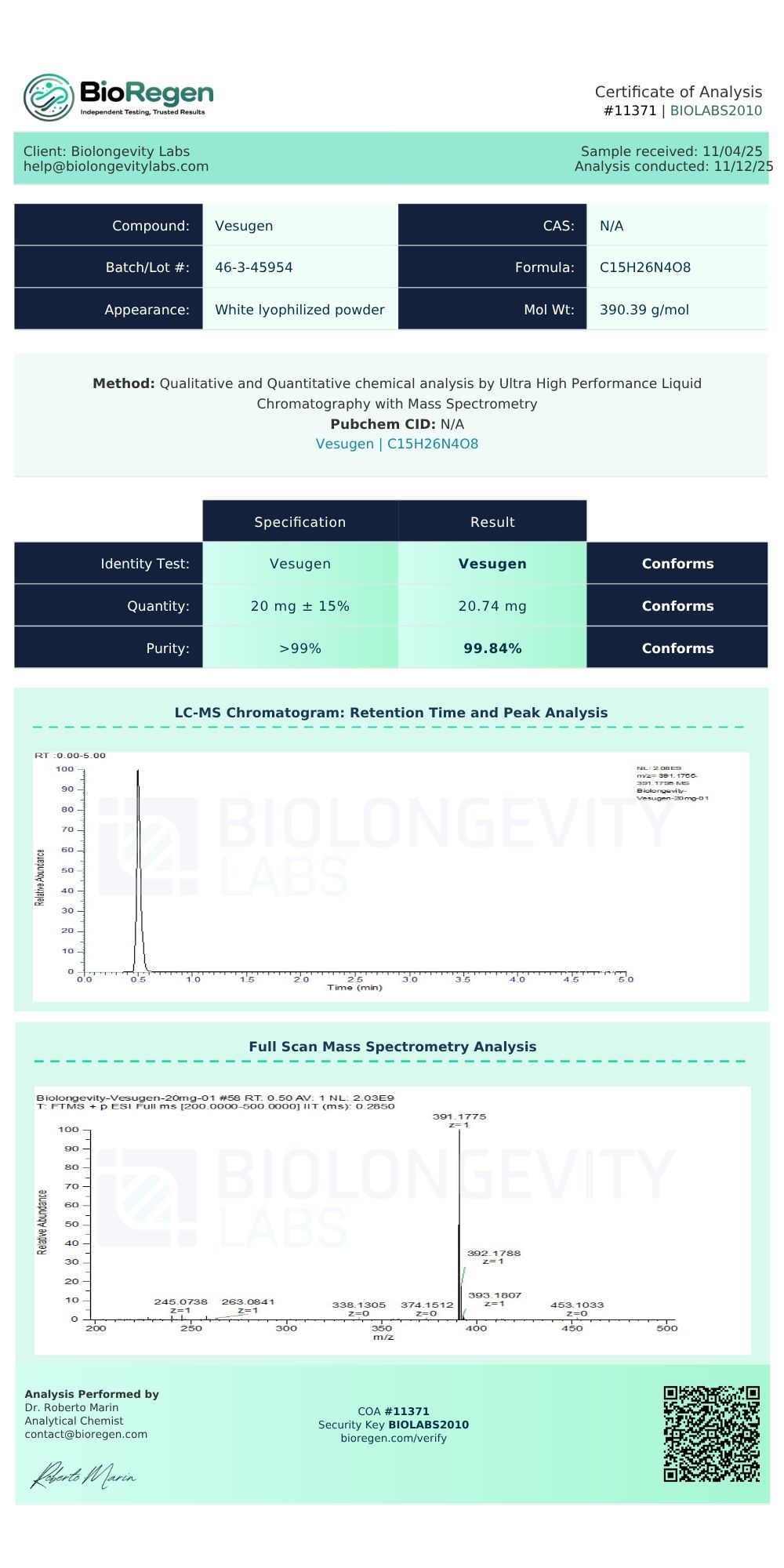
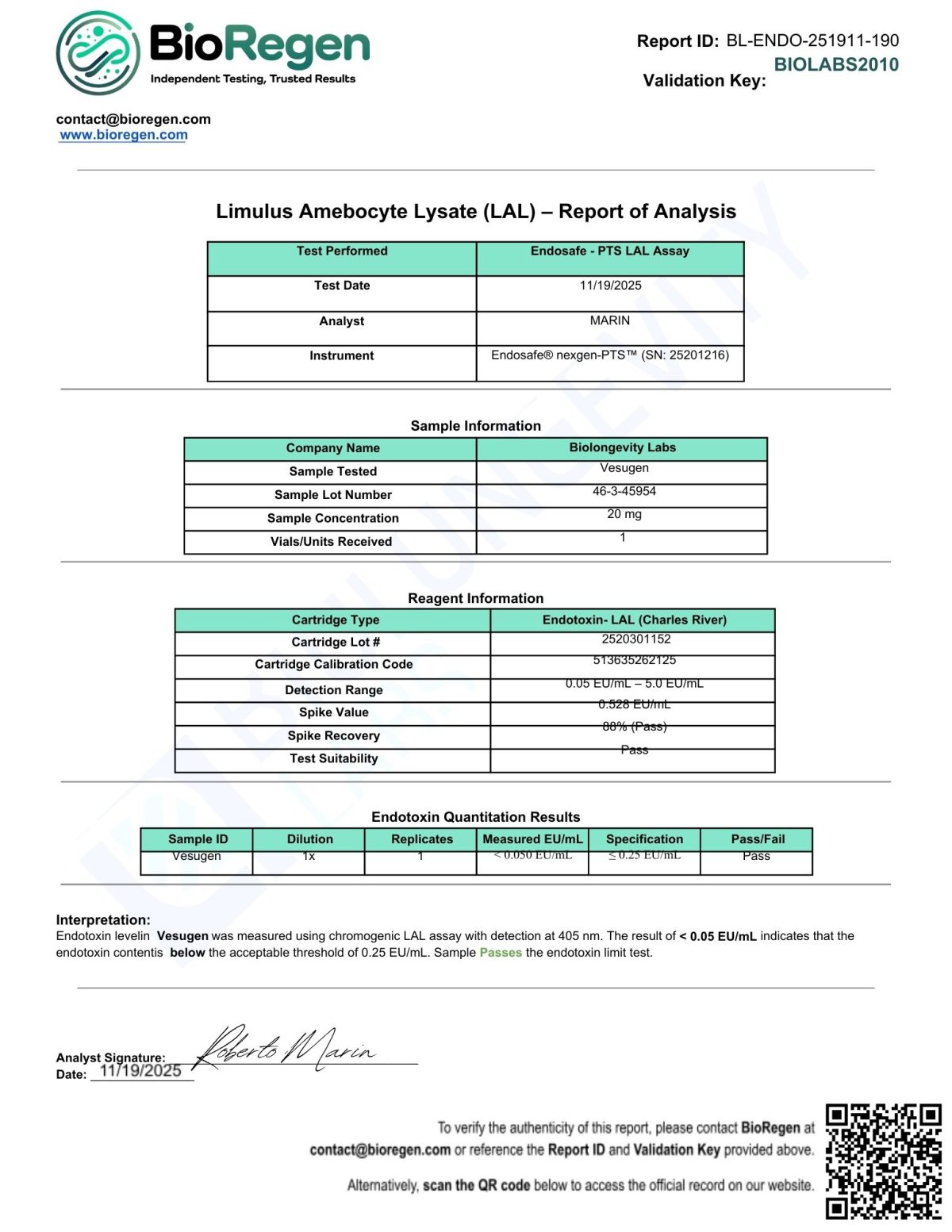
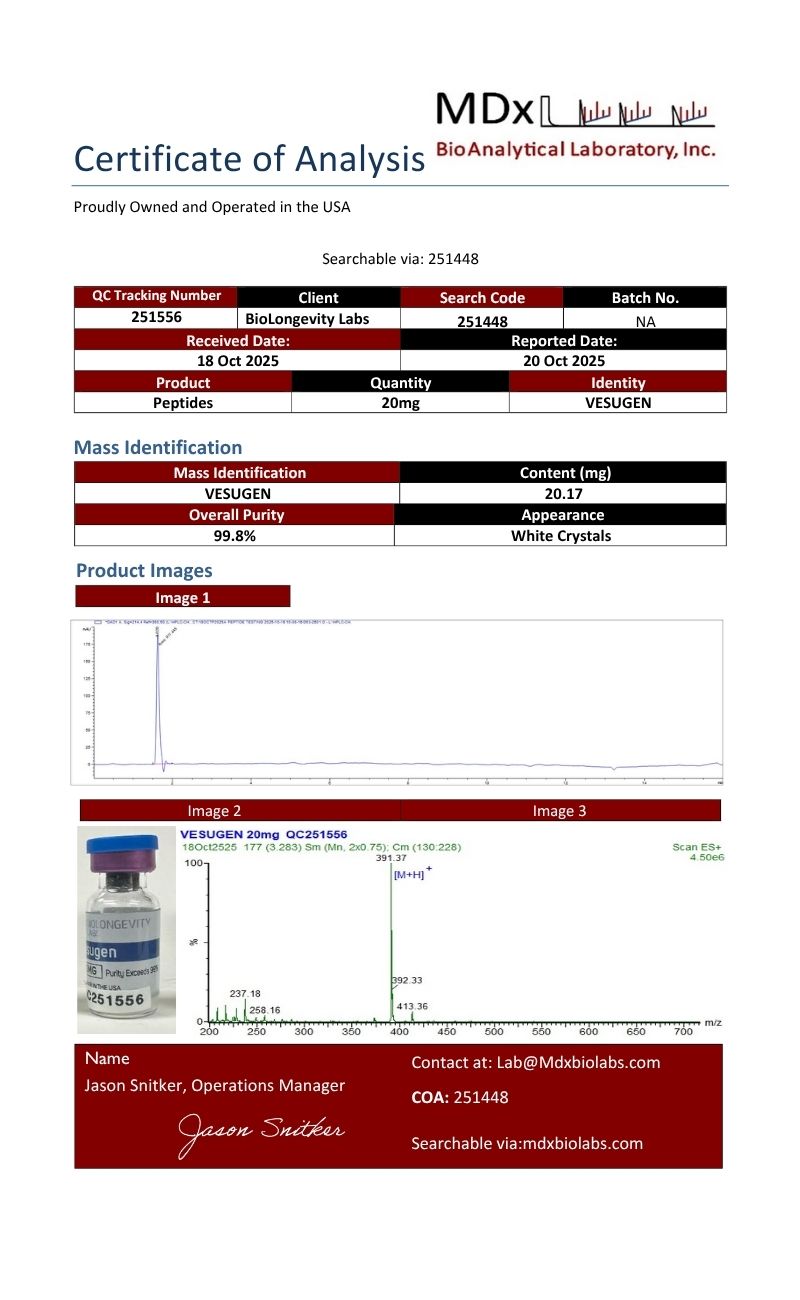
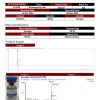
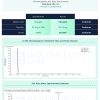
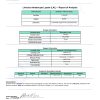
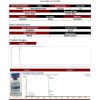
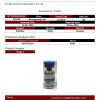
Certificate of Analysis (COA) for Every Batch
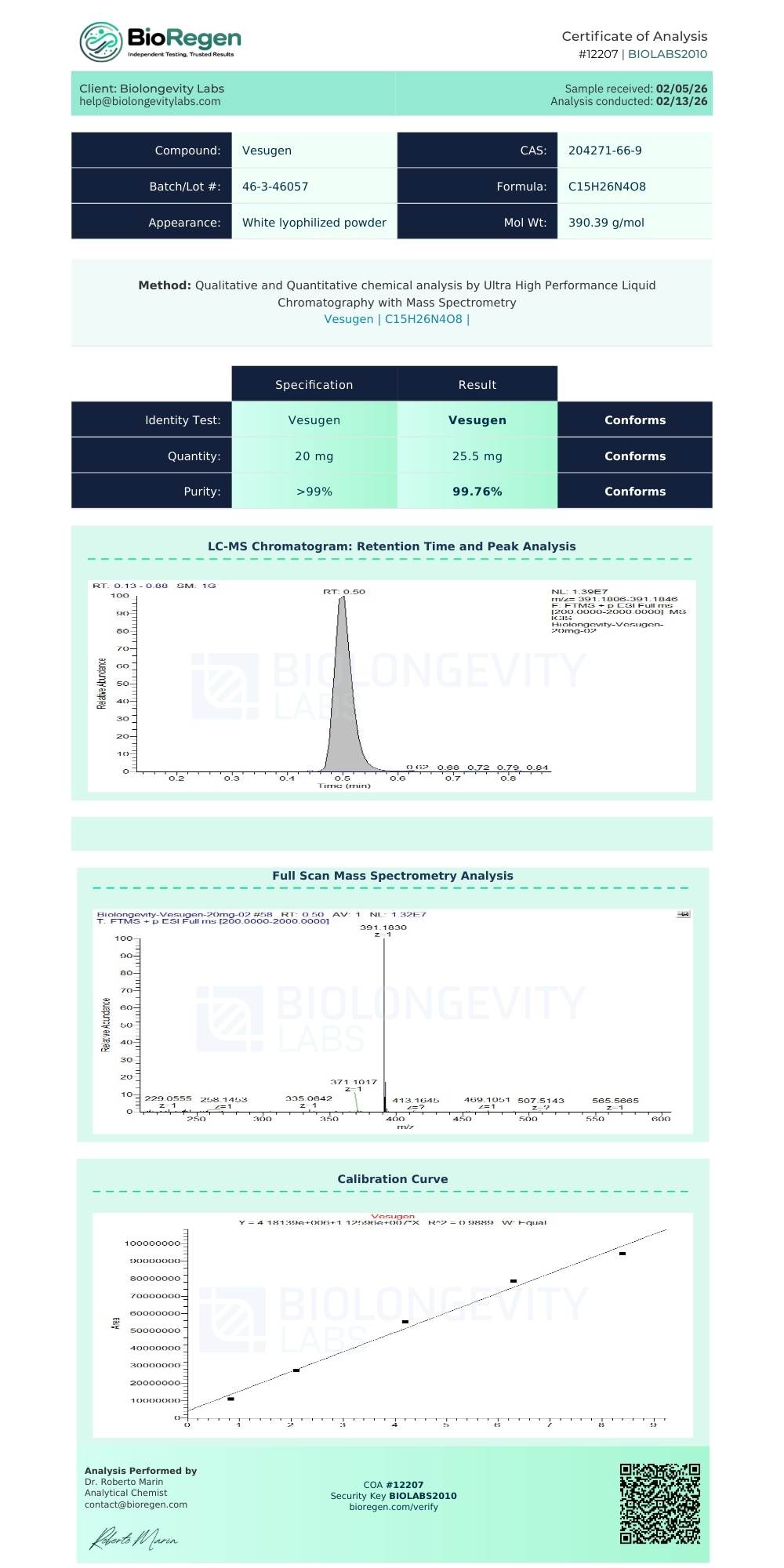
A Certificate of Analysis (COA) is a document that verifies a compound’s identity, purity, and batch quality through independent laboratory testing. Every compound from BioLongevity Labs ships with a COA tied to its specific batch, so researchers can confirm exactly what they received before it enters a protocol.
Each COA reports results from third-party laboratory analysis, including:
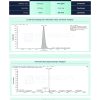
- High-performance liquid chromatography (HPLC) for purity, typically confirmed at 99% or higher
- Liquid chromatography mass spectrometry (LC-MS) for molecular identity and mass confirmation
- Sterility and endotoxin screening where applicable
- Chemical contaminant and residual solvent checks
COAs are sourced from independent certified labs rather than in-house testing alone, giving researchers a verifiable record of molecular integrity for each batch. All compounds are supplied for research use only.
Reviews
There are no reviews yet.