



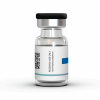


GLOW Blend (BPC-157 TB-500 GHK-CU) (70mg) For Sale
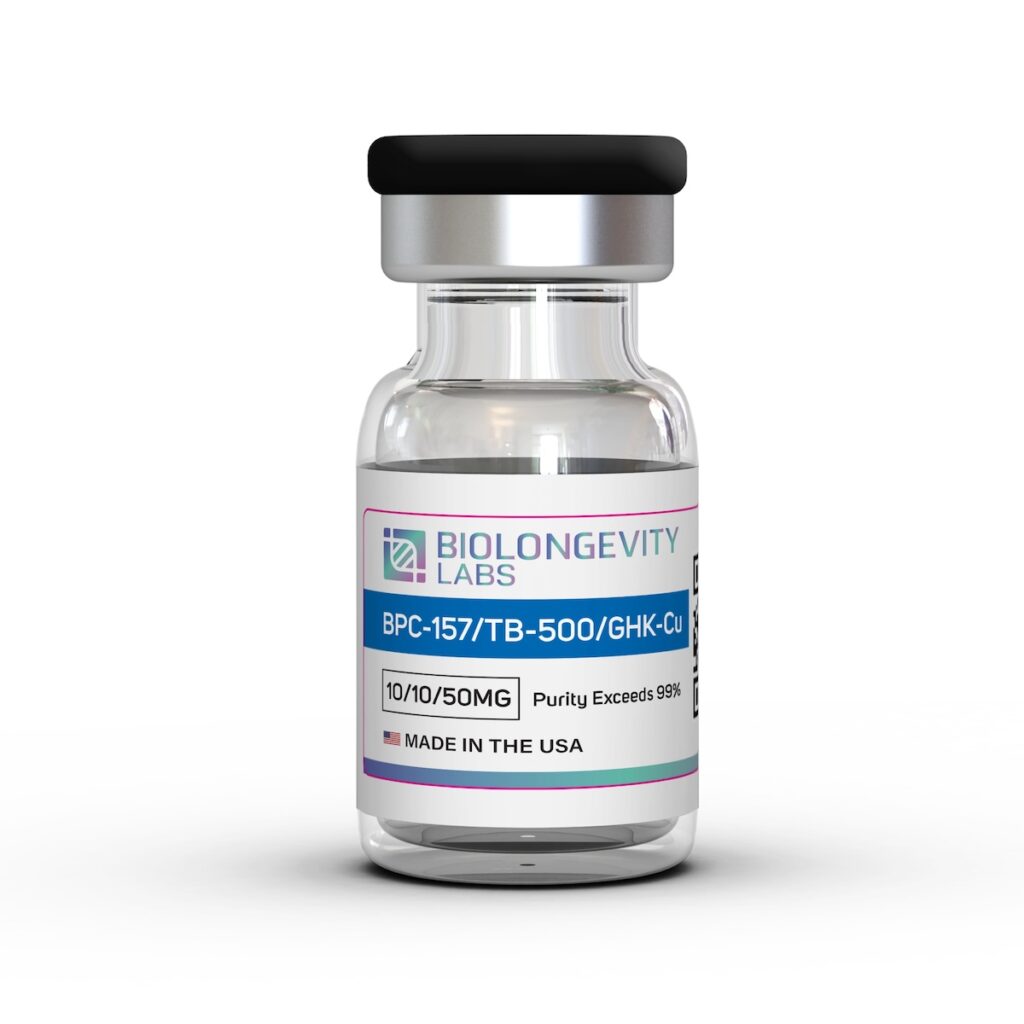
GLOW peptide blend is a three-component research formulation that combines the copper tripeptide GHK-Cu, the pentadecapeptide BPC-157, and the thymosin beta-4 peptide TB-500 in a single vial. All three components are produced through controlled synthesis and supplied together as one lyophilized powder totaling 70 mg per vial. The blend is characterized for laboratory work on tissue-repair signaling, vascular formation, and extracellular-matrix models. It is offered for research use only.
What is the GLOW Blend?
GLOW pairs three peptides that are each studied in separate lines of regenerative research. GHK-Cu is a copper-binding tripeptide investigated in connective-tissue and matrix-remodeling models. BPC-157 is a 15-residue peptide studied in angiogenesis and cell-migration research. TB-500 corresponds to the actin-binding region of thymosin beta-4 and is examined in cytoskeletal-dynamics models.
Combining the three in one vial lets researchers study how copper-mediated matrix activity, cytoprotective signaling, and actin-dependent motility behave alongside one another under controlled in vitro conditions.
Each vial holds 70 mg of lyophilized blend: 50 mg GHK-Cu, 10 mg BPC-157, and 10 mg TB-500.
Compound Information
| Property | GHK-Cu | BPC-157 | TB-500 |
|---|---|---|---|
| Compound Class | Copper tripeptide complex | Pentadecapeptide | Thymosin beta-4 peptide |
| Sequence | Gly-His-Lys (Cu complex) | Gly-Glu-Pro-Pro-Pro-Gly-Lys-Pro-Ala-Asp-Asp-Ala-Gly-Leu-Val | Ac-Ser-Asp-Lys-Pro-Asp-Met-Ala-Glu-Ile-Glu-Lys-Phe-Asp-Lys-Ser-Lys-Leu-Lys-Lys-Thr-Glu-Thr-Gln-Glu-Lys-Asn-Pro-Leu-Pro-Ser-Lys-Glu-Thr-Ile-Glu-Gln-Glu-Lys-Gln-Ala-Gly-Glu-Ser |
| Sequence Length | 3 residues | 15 residues | 43 residues |
| Molecular Formula | C₁₄H₂₄CuN₆O₄ | C₆₂H₉₈N₁₆O₂₂ | C₂₁₂H₃₅₀N₅₆O₇₈S |
| Molecular Weight | 403.9 g/mol | 1419.5 g/mol | 4963.4 g/mol |
| CAS Number | 89030-95-5 | 137525-51-0 | 77591-33-4 |
| PubChem CID | 378611 | 9941957 | 16132341 |
| Source | Synthetic | Synthetic | Synthetic |
| Purity | ≥99% (HPLC) | ≥99% (HPLC) | ≥99% (HPLC) |
| Appearance | Lyophilized powder | Lyophilized powder | Lyophilized powder |
| Solubility | Soluble in water | Soluble in water | Soluble in water |
Blend composition: 70 mg total per vial (50 mg GHK-Cu, 10 mg BPC-157, 10 mg TB-500). Storage: -20°C, protect from light.
Storage and Handling
- Store the lyophilized blend at -20°C, protected from light.
- After reconstitution with sterile solvent, store refrigerated and use promptly.
- Aliquot to avoid repeated freeze-thaw cycles.
- Maintain aseptic handling to preserve compound integrity.
Lyophilized Format
This blend ships in lyophilized (freeze-dried) form. Freeze-drying supports long-term storage stability and preserves compound integrity. No fillers are added.
Research Use Disclaimer
GLOW peptide blend is supplied for research use only. It is not a drug, food, cosmetic, or dietary supplement, has not been evaluated by the FDA. By purchasing, the buyer confirms the compound will be used solely for in vitro research.
What Research Shows
Laboratory studies of the three GLOW components describe distinct but overlapping mechanisms across vascular, tissue-repair, and matrix models. The summary below maps each component to its verified source studies.
In vascular endothelial cell cultures, BPC-157 was associated with increased expression and internalization of VEGFR2 and with activation of the VEGFR2-Akt-eNOS pathway in tube-formation assays [1]. In tendon explant and fibroblast cultures, the same peptide was linked to greater fibroblast outgrowth, cell survival under oxidative stress, and migration through the FAK-paxillin pathway [2]. Both effects are covered further in the BPC-157 and TB-500 research overview.
GHK-Cu has been studied for copper-dependent activity in connective-tissue models. It was associated with stimulation of collagen synthesis in fibroblast cultures at picomolar to nanomolar concentrations [3], and gene-profiling work has linked it to modulation of a broad set of genes tied to tissue-repair and antioxidant pathways [4]. Additional context is available in the GHK-Cu peptide research overview.
TB-500 corresponds to the actin-binding region of thymosin beta-4, which sequesters monomeric G-actin and regulates filament assembly in structural studies [5]. In a full-thickness wound model, thymosin beta-4 was associated with increased reepithelialization and keratinocyte migration [6]. The full three-peptide combination is discussed in the GLOW peptide research article.
| Research Area | In Vitro Application |
|---|---|
| Angiogenesis | Endothelial tube-formation and VEGFR2 expression assays |
| Tissue repair | Fibroblast outgrowth, survival, and migration studies |
| Extracellular matrix | Collagen synthesis and matrix-remodeling models |
| Cytoskeletal dynamics | G-actin sequestration and filament-assembly assays |
| Cell migration | Keratinocyte and fibroblast motility models |
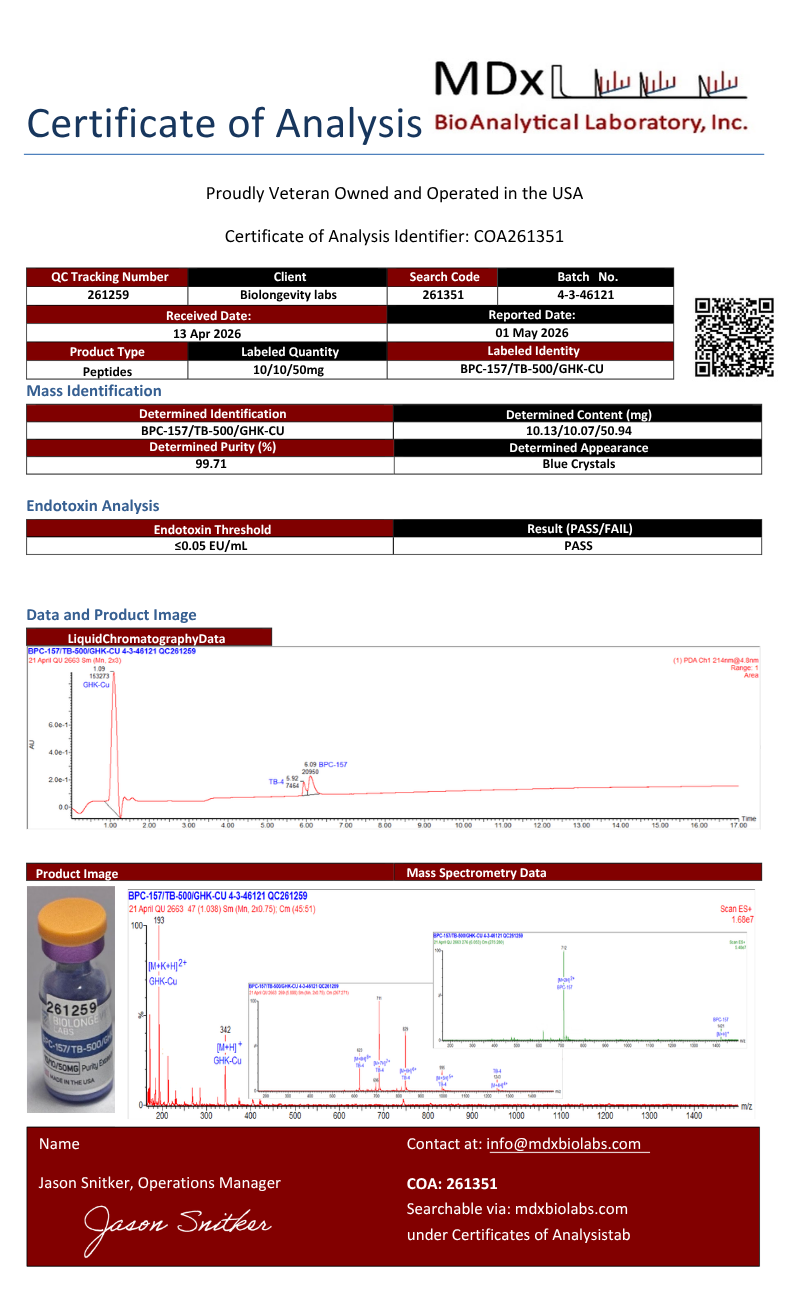
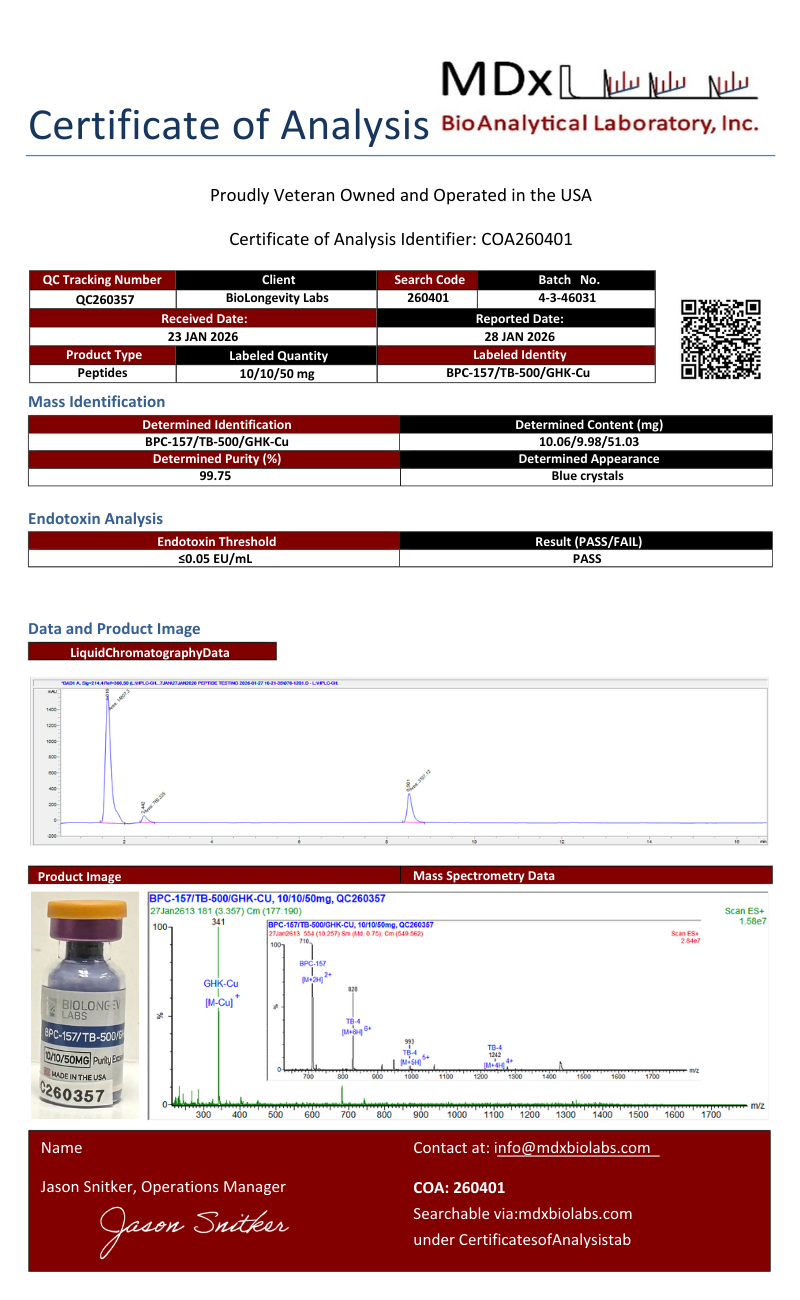
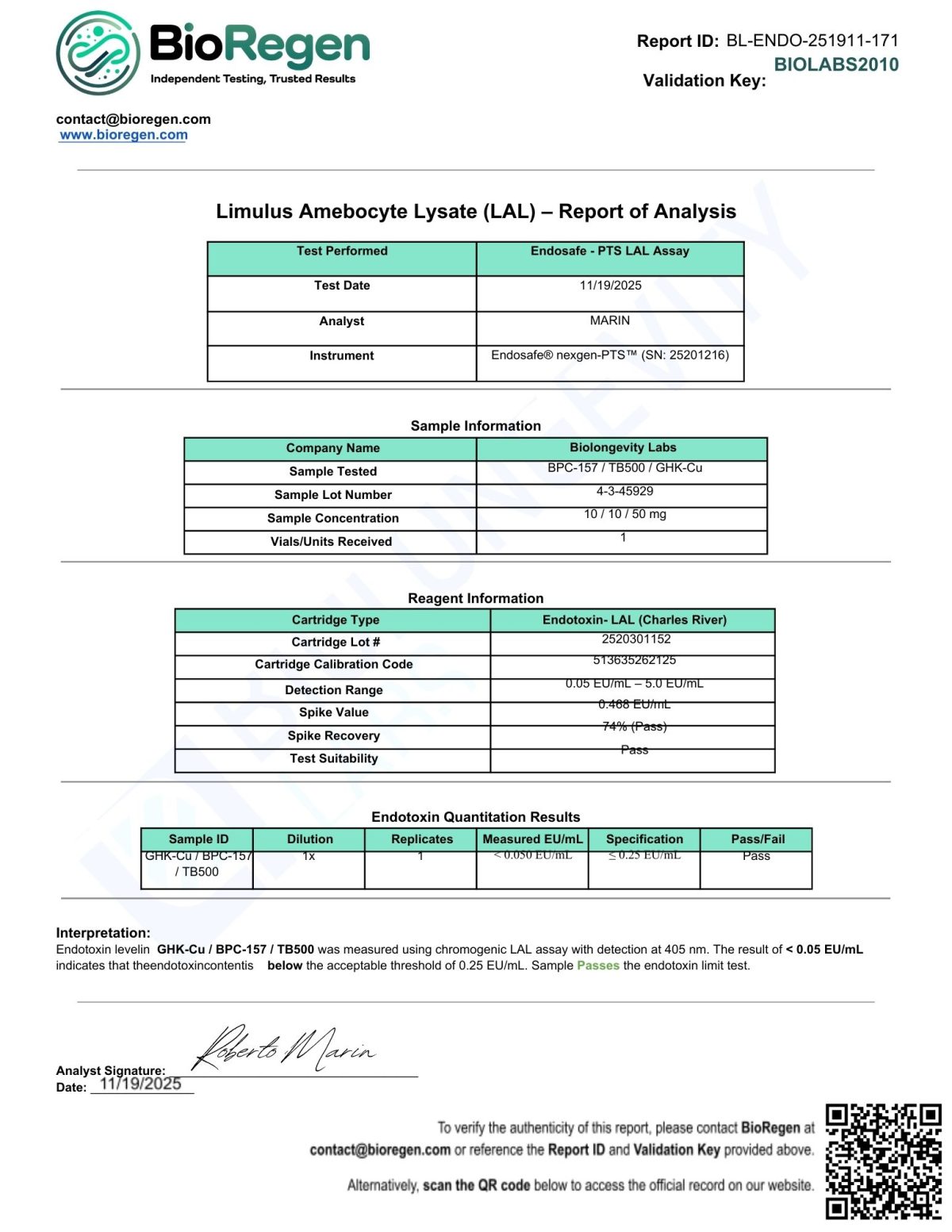
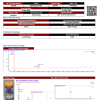
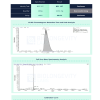
Certificate of Analysis (COA) for Every Batch
A Certificate of Analysis (COA) is a document that verifies a compound’s identity, purity, and batch quality through independent laboratory testing. Every compound from BioLongevity Labs ships with a COA tied to its specific batch, so researchers can confirm exactly what they received before it enters a protocol.
Each COA reports results from third-party laboratory analysis, including:
- High-performance liquid chromatography (HPLC) for purity, typically confirmed at 99% or higher
- Liquid chromatography mass spectrometry (LC-MS) for molecular identity and mass confirmation
- Sterility and endotoxin screening where applicable
- Chemical contaminant and residual solvent checks
COAs are sourced from independent certified labs rather than in-house testing alone, giving researchers a verifiable record of molecular integrity for each batch. All compounds are supplied for research use only.
Reviews
There are no reviews yet.