
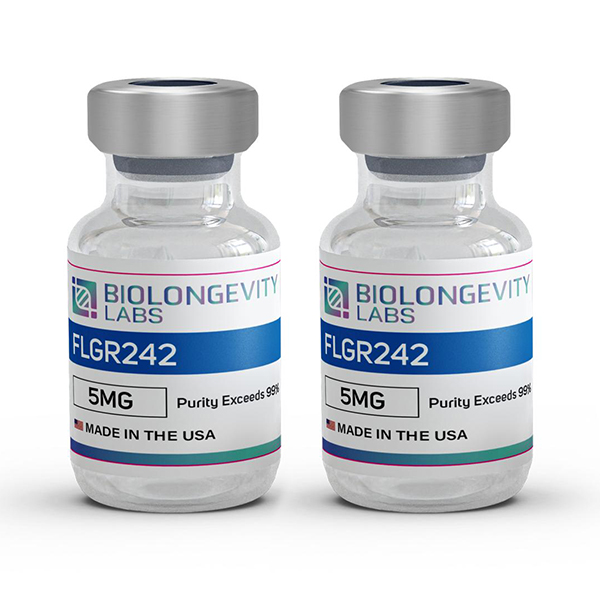
Follistatin (FLGR242) (10mg) 6 pair (12 vials) For Sale
Product Description
Follistatin (FLGR242), is a novel fragmented, modified version of Follistatin-344 (FST-344) that does not bind to the protein activin. Activin is responsible for the negative effects of myostatin inhibition such as unwanted cellular growth in laboratory models. It also contains a patented albumin binder.
Follistatin protein (FST) fused with an albumin-binding construct that uses a hydrophilic glycine-serine linker to achieve high-affinity binding to serum albumin (<20 nM Kd). This recombinant technology allows researchers to study follistatin-albumin interactions and protein trafficking in experimental systems.
Research applications include muscle mass development studies, activin neutralization assays, and TGF-β superfamily pathway modulation with albumin binding dynamics. The construct maintains biological activity while enabling investigation of albumin as a carrier protein.
US GMP-manufactured with third-party verification and comprehensive COAs for reproducible research outcomes.
Peptide Information
| Property | Value |
|---|---|
| Peptide Type | Follistatin-Albumin Binding Construct |
| Technology | Albumin-binding peptide fusion (GGSGGSGGSGGRLIEDICLPRWGCLWEDD linker) |
| Molecular Weight | ~40 kDa |
| Binding Affinity | <20 nM |
| Synonyms | FST-Albumin Construct, Extended Half-Life Follistatin |
Lyophilized Peptides:
These peptides are freeze-dried, a process that not only extends shelf life but also preserves the purity and integrity of the peptides during storage. We do not use any fillers in this process.
Product Usage:
This PRODUCT IS INTENDED AS A RESEARCH CHEMICAL ONLY. This designation allows the use of research chemicals strictly for in vitro testing and laboratory experimentation only. This product should only be handled by licensed, qualified professionals. This product is not a drug, food, or cosmetic and may not be misbranded, misused or mislabeled as a drug.
Follistatin Research
Follistatin is a secreted glycoprotein that binds and neutralizes members of the TGF-β superfamily, with research focusing on its interactions with myostatin and bone morphogenetic proteins across multiple tissue types.
Myostatin and Muscle Mass Regulation
Follistatin acts as a myostatin antagonist, binding and sequestering this growth inhibitor to prevent interaction with cellular receptors. This inhibition blocks SMAD signaling cascades that normally limit muscle fiber development[1].
Laboratory models show follistatin increases muscle mass through enhanced fiber size rather than fiber number[2]. The protein also promotes satellite cell activation during muscle regeneration protocols[3].
Research indicates follistatin expression is regulated by nitric oxide and cyclic GMP pathways during myoblast fusion in cell culture systems[4].
Metabolic and Adipose Tissue Research
Follistatin induces browning of white adipose tissue in laboratory models through upregulation of UCP1 and thermogenic markers[5]. The protein enhances mitochondrial biogenesis and shifts cellular metabolism toward fat oxidation[6].
Studies show follistatin reduces hepatic glucose production while improving peripheral glucose uptake in metabolic research protocols[7]. These effects appear linked to modulation of FoxO1 signaling pathways in hepatic cell lines[8].
Tissue Repair and Regeneration Models
In wound healing studies, follistatin regulates keratinocyte proliferation and migration during repair processes[9]. The protein reduces fibrosis formation while promoting neovascularization in muscle injury models[3].
Cardiovascular and Angiogenic Properties
Follistatin-like proteins promote endothelial cell function and stimulate revascularization through nitric oxide synthase-dependent pathways[10]. The protein enhances endothelial cell proliferation, migration, and tube formation in angiogenesis assays[11].
Research demonstrates follistatin activates Akt signaling pathways in cardiomyocyte survival studies[12].
Bone and Cartilage Development
Follistatin modulates BMP signaling pathways that control osteogenic differentiation in mesenchymal stem cell cultures. The protein enhances cell migration and vascular development in bone tissue engineering models[11].
Laboratory studies show varied effects on bone formation markers depending on cellular context and experimental conditions[11].
Reproductive and Developmental Biology
Follistatin functions downstream of Wnt4 signaling during ovarian development in animal models[13].
Gonadotropin-releasing hormone pulse frequency controls follistatin expression in reproductive tissue studies[14].
Hepatic Function Studies
In liver research, follistatin influences hepatic steatosis through mTOR-dependent pathways[15]. The protein acts as a hepatokine affecting systemic energy metabolism when expressed in hepatic cell lines[16].
Laboratory protocols examine how follistatin regulates glucose production and lipid synthesis in metabolic research models[8].
Neuroprotective Mechanisms
Follistatin-like proteins attenuate neuronal apoptosis through Akt pathway activation in ischemic injury models. The protein affects neurogenesis and synaptic development through TGF-β superfamily signaling modulation in neural cell cultures[17].
Certificate of Analysis (COA) for Every Batch
A Certificate of Analysis (COA) is a document that verifies a compound’s identity, purity, and batch quality through independent laboratory testing. Every compound from BioLongevity Labs ships with a COA tied to its specific batch, so researchers can confirm exactly what they received before it enters a protocol.
Each COA reports results from third-party laboratory analysis, including:
- High-performance liquid chromatography (HPLC) for purity, typically confirmed at 99% or higher
- Liquid chromatography mass spectrometry (LC-MS) for molecular identity and mass confirmation
- Sterility and endotoxin screening where applicable
- Chemical contaminant and residual solvent checks
COAs are sourced from independent certified labs rather than in-house testing alone, giving researchers a verifiable record of molecular integrity for each batch. All compounds are supplied for research use only.
Reviews
There are no reviews yet.