
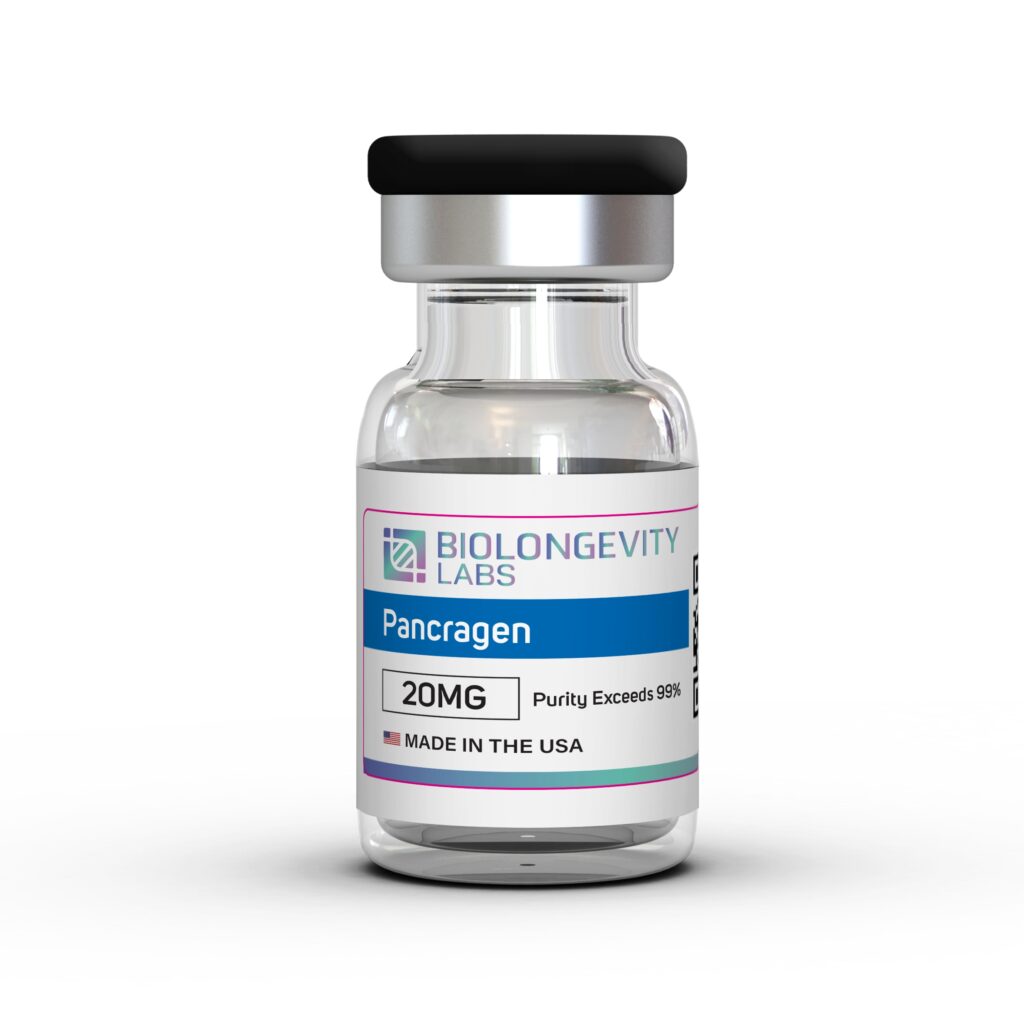
Pancragen Peptide (20mg) For Sale
Research-grade Pancragen tetrapeptide bioregulator for pancreatic cell studies. Lyophilized KEDW sequence supports metabolic research applications.
Pancragen Peptide Description
Pancragen peptide is a targeted bioregulator for pancreatic research applications. This tetrapeptide targets pancreatic cell function studies, including glucose metabolism and endocrine pathway investigations.
Research initiated by Khavinson reveals Pancragen’s selective effects on pancreatic function in laboratory settings. The peptide bioregulator benefits metabolic research protocols examining insulin pathways.
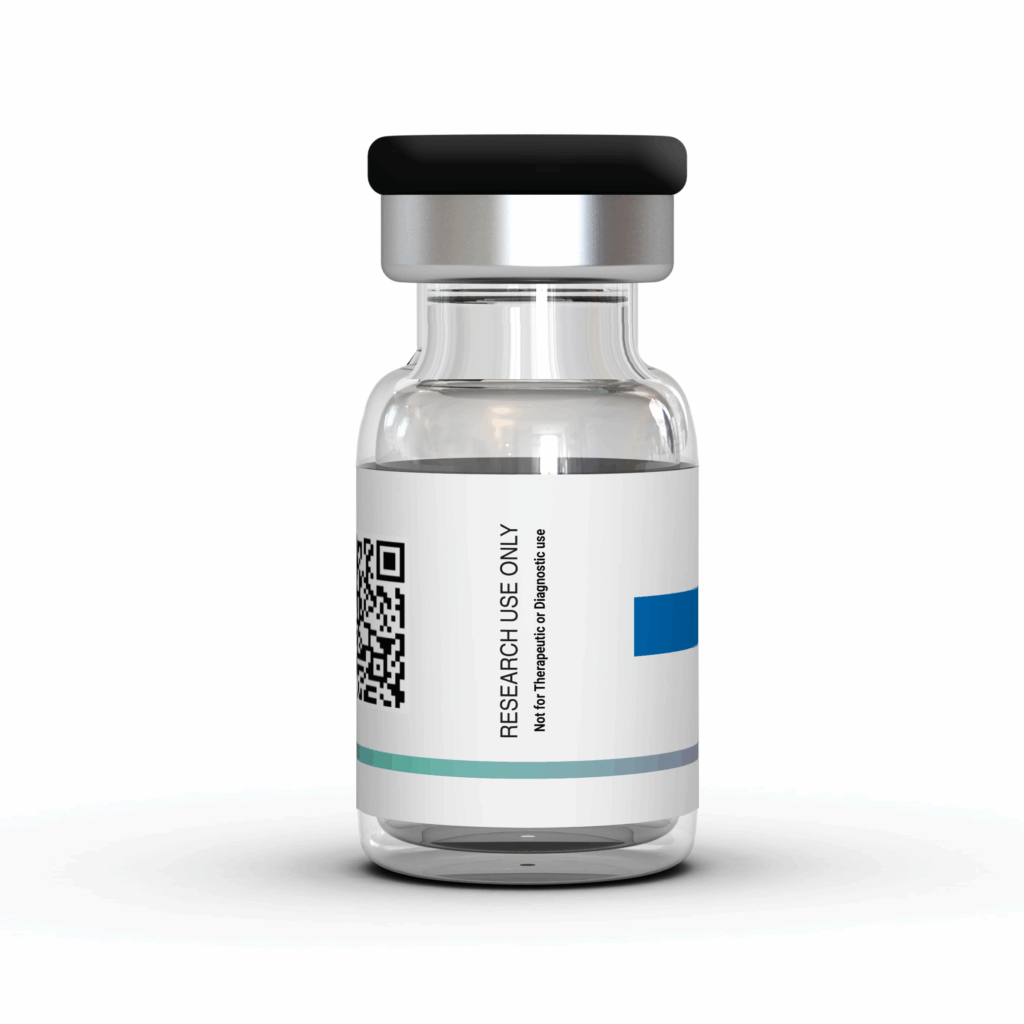
Each batch undergoes thorough testing to meet research standards. Lyophilized formulation maintains stability for pancreatic cell culture applications. Research use only.
Peptide Information
| Property | Value |
|---|---|
| Peptide Sequence | H-Lys-Glu-Asp-Trp-OH |
| Molecular Formula | C₂₆H₃₆N₆O₉ |
| Molecular Weight | 576.25 g/mol |
| PubChem CID | 68452887 |
Lyophilized Peptides:
These peptides are freeze-dried, a process that not only extends shelf life but also preserves the purity and integrity of the peptides during storage. We do not use any fillers in this process.
Pancragen Research
Pancragen (KEDW) is a tetrapeptide bioregulator that directly interacts with DNA to regulate pancreatic gene expression and cellular development. Research demonstrates its unique mechanisms in glucose metabolism, stem cell differentiation, and age-related pancreatic function restoration.
Gene Expression and DNA Interaction
Pancragen peptide binds directly to DNA along the major groove, creating stable peptide-DNA complexes that regulate gene transcription. This binding mechanism enables precise interaction with regulatory elements controlling pancreatic cell development[1].
The peptide increases expression of critical pancreatic genes including PDX1, NGN3, PAX6, FOXA2, NKX2-2, NKX6.1, and PAX4. These transcription factors represent fundamental regulators of pancreatic endocrine cell fate and β-cell development[1].
Physical spectroscopy and molecular modeling confirm that Pancragen forms three-dimensional stable complexes with DNA through specific binding interactions. This mechanism suggests the peptide functions as an epigenetic modulator influencing chromatin accessibility and transcriptional programs[1].
Metabolic Function Research
Clinical research demonstrates that Pancragen reduces plasma glucose levels during fasting and oral glucose tolerance tests in elderly patients with type 2 diabetes. The metabolic benefits persist for at least two weeks after treatment cessation in approximately 60% of patients[2].
The peptide enhances insulin sensitivity by decreasing HOMA insulin resistance index values. This improvement occurs particularly in patients with high baseline insulin resistance and hyperinsulinemia[2].
Glucose-lowering effects have been confirmed in both streptozotocin-induced and alloxan-induced diabetes models. These different experimental diabetes models indicate that Pancragen’s effects operate through multiple pathways rather than targeting a single aspect of glucose homeostasis.
Stem Cell and Regenerative Applications
Pancragen modulates stem cell fate in tissue engineering applications, directing differentiation toward pancreatic lineages including hepatocyte and endocrine cell types[3]. The peptide can cross cell membranes and interact with intracellular targets, making it useful for directing stem cell differentiation in three-dimensional culture systems.
The peptide’s biocompatibility and biodegradability position it as an ideal candidate for regenerative medicine applications. Its ability to self-assemble and create extracellular matrix-like environments makes it valuable for stem cell microenvironments that promote specific differentiation outcomes.
Developmental Biology
KEDW peptide regulates key developmental transcription factors crucial for pancreatic organogenesis. PDX1 upregulation is particularly significant, as PDX1 represents the earliest marker of pancreatic progenitor cells and is essential for proper pancreatic development[1].
The peptide enhances NGN3 (Neurogenin 3) expression, a transcription factor marking endocrine progenitor cells essential for all pancreatic endocrine cell types. These transcription factors work in hierarchical pathways to determine pancreatic cell fate specification[1].
Age-Related Function Research
Pancragen restores age-related disturbances in pancreatic endocrine function, particularly addressing metabolic decline in elderly populations. The aging pancreas undergoes morphological and functional changes that contribute to glucose homeostasis dysregulation[4].
The peptide’s effects involve restoration of cellular differentiation capacity that typically declines with age[5]. Clinical studies demonstrate sustained metabolic improvements that persist beyond the treatment period, suggesting long-term changes in pancreatic cell function[2].
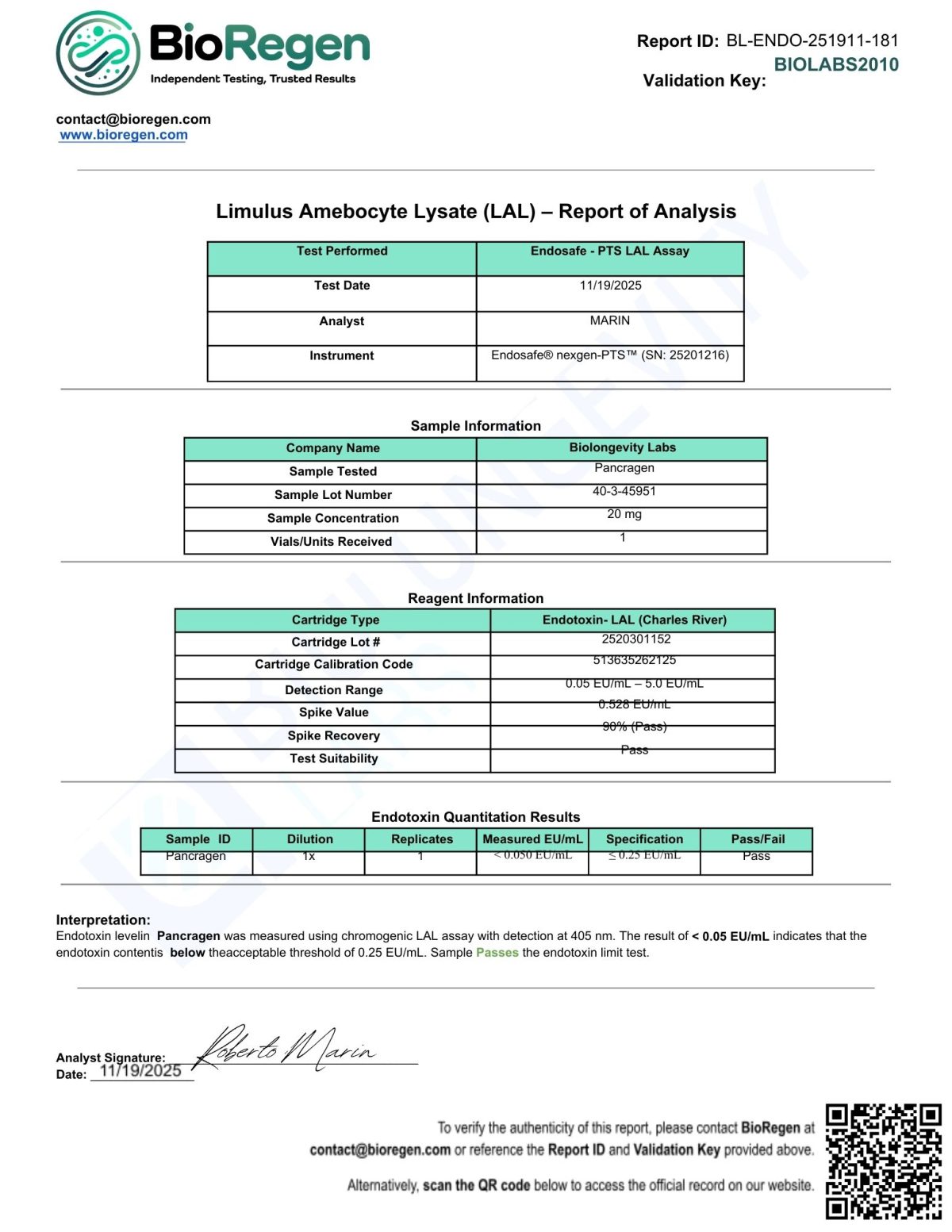
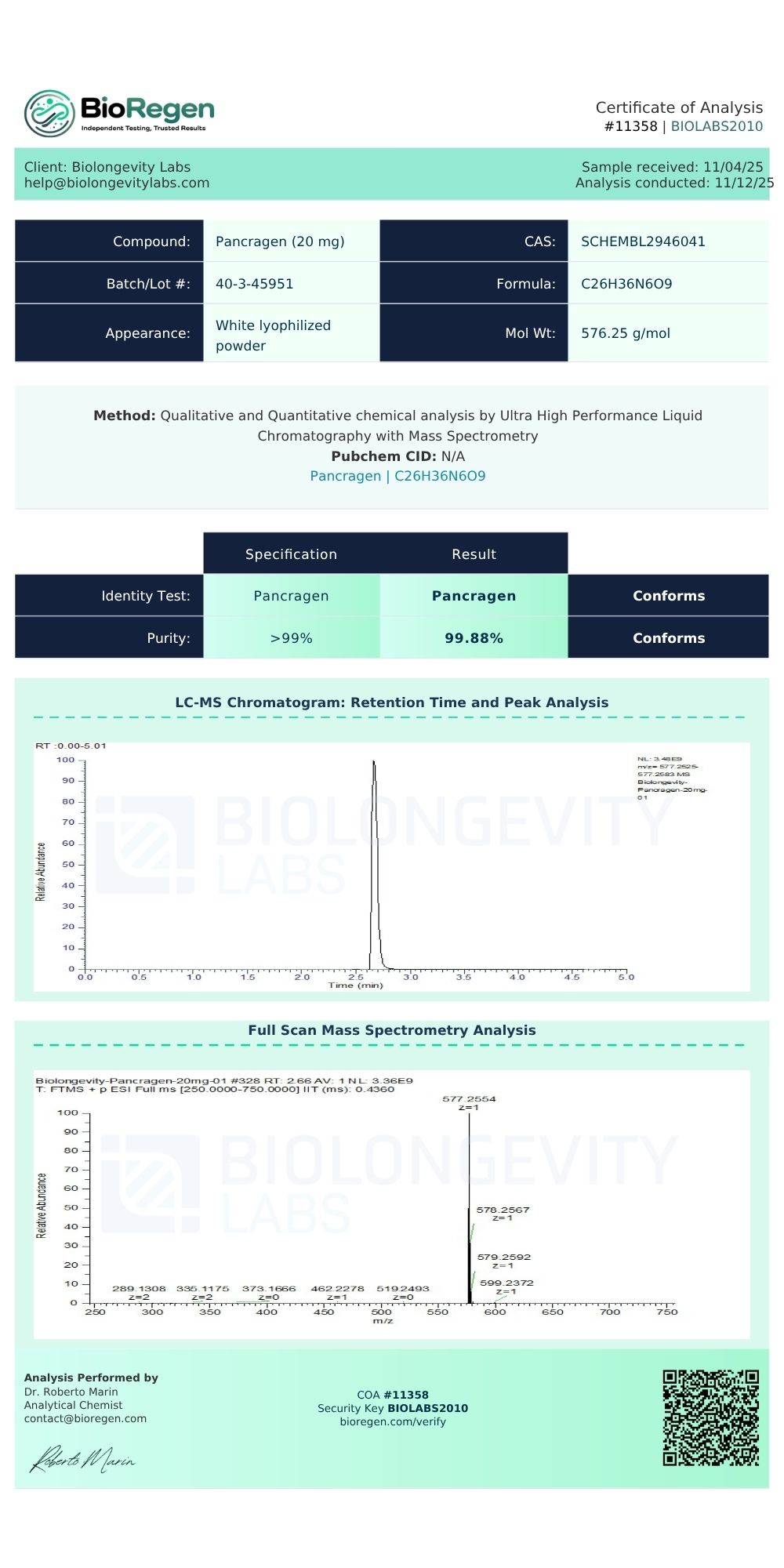
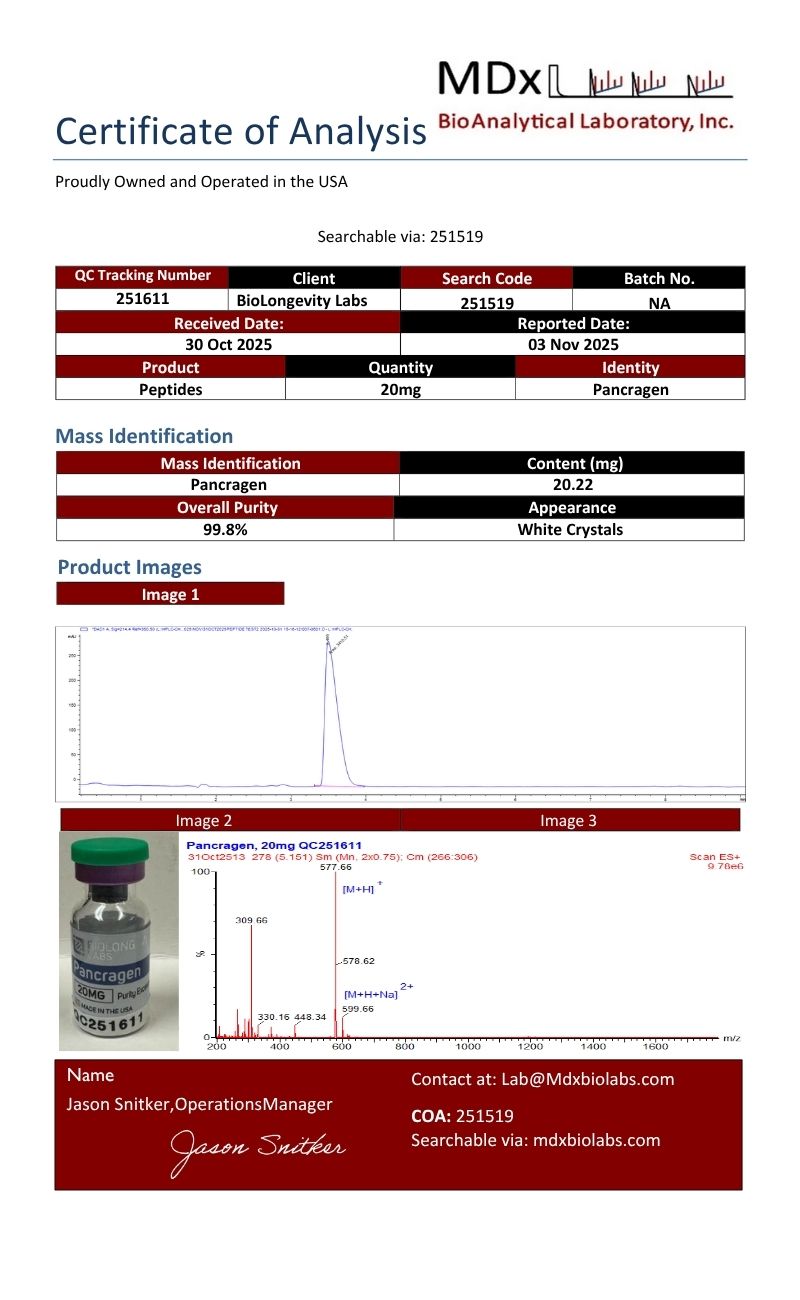
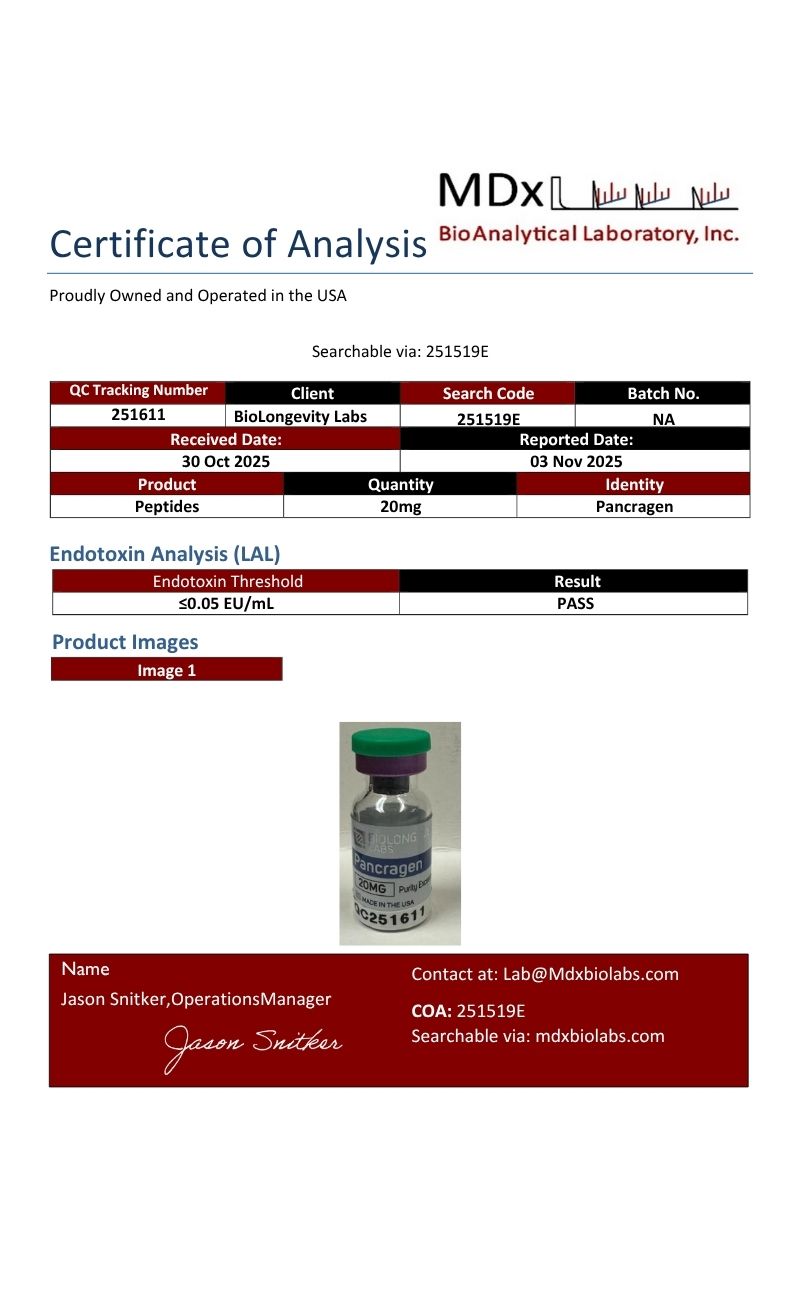
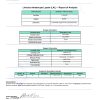
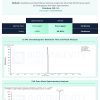
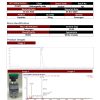
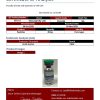
Certificate of Analysis (COA) for Every Batch
A Certificate of Analysis (COA) is a document that verifies a compound’s identity, purity, and batch quality through independent laboratory testing. Every compound from BioLongevity Labs ships with a COA tied to its specific batch, so researchers can confirm exactly what they received before it enters a protocol.
Each COA reports results from third-party laboratory analysis, including:
- High-performance liquid chromatography (HPLC) for purity, typically confirmed at 99% or higher
- Liquid chromatography mass spectrometry (LC-MS) for molecular identity and mass confirmation
- Sterility and endotoxin screening where applicable
- Chemical contaminant and residual solvent checks
COAs are sourced from independent certified labs rather than in-house testing alone, giving researchers a verifiable record of molecular integrity for each batch. All compounds are supplied for research use only.


Reviews
There are no reviews yet.